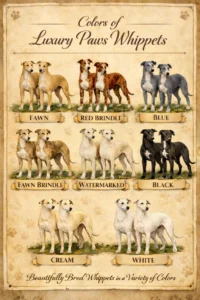
Whippet Colors: A Comprehensive Guide to Understanding the Beautiful Coat Color Variations
Whippets are graceful, sleek dogs known for their athletic build and gentle demeanor. One of the striking features of Whippets is their variety of coat colors. These colors not only add to their visual appeal but also reveal some interesting details about their genetics. In this article, we’ll explore the different Whippet colors, how they come about, and the commonality of each.
1. Fawn Whippet Colors
Overview:
The fawn Whippet Color is a warm, golden yellow or tan shade. It can vary from a light cream to a deep, rich gold. Often, the coat may have subtle shading around the ears or back, creating a very graceful appearance.
How It Comes About:
Fawn is one of the more common Whippet colors. It’s caused by a recessive gene, and Whippets with this color may carry a variety of other genes that produce small variations in the shade.
Commonality:
Fawn is one of the most commonly seen Whippet colors in the breed. This color can be seen both in show Whippets and those bred for companionship or racing.
Image Example:
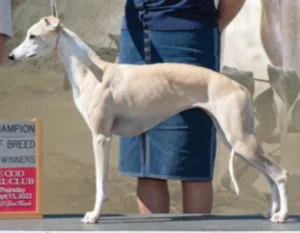
Fawn Whippet
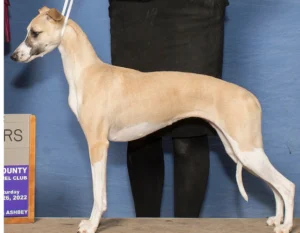
Fawn Whippet with Black Mask
2. Blue Whippet Colors
Overview:
Blue Whippets are a stunning silvery-gray color, sometimes with a slight blue tint. This color appears metallic and can vary in intensity from light steel blue to a deeper, more muted shade.
How It Comes About:
The blue Whippet color is the result of a diluted black gene. While it is not a completely separate gene, the dilution causes the black coat to appear in a lighter, bluish tone.
Commonality:
Blue Whippets are less common than fawn, making them a relatively rare find. However, they are highly valued for their unique and striking appearance.
Image Example: These are the same dog. Top is taken outside in overcast weather, bottom is inside in front of a sunny window.
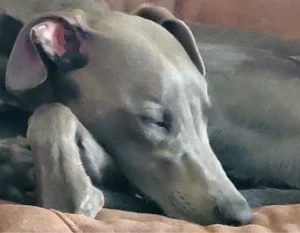
Blue Whippet Head
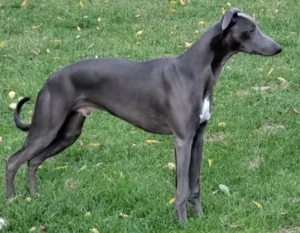
Blue Whippet Body
3. Black Whippet Colors
Overview:
Black Whippets have a sleek and glossy black coat that gleams in the sunlight. This color is often associated with elegant and refined Whippets, offering a classic look.
How It Comes About:
Black is caused by a dominant gene, meaning if a Whippet inherits the black gene from either parent, it will have a black coat. This is one of the most straightforward genetic colors in the breed.
Commonality:
Black is less common in Whippets compared to fawn, but it still appears regularly, particularly in breeding lines that emphasize athleticism and elegance.
Image Example:
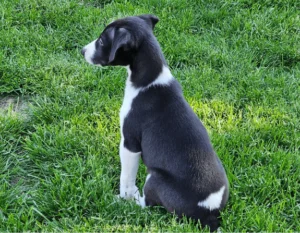
Black and White Whippet Puppy
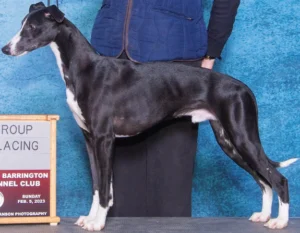
Black Whippet with White Trim
4. Brindle Whippet Colors
Overview:
Brindle Whippets feature a beautiful mix of dark and light stripes in a tiger-stripe pattern. The stripes can appear in various colors like black, fawn, or blue, adding a unique and visually dynamic quality to the dog’s coat.
How It Comes About:
Brindle is not a single color but a pattern that occurs due to the presence of specific genes. The pattern results from a mix of base colors, with the dark stripes overlaid on a lighter, more uniform background.
Commonality:
Brindle is a relatively common coat pattern in Whippets, especially in combination with fawn or black. It’s a popular choice for those looking for a striking appearance.
Image Example:
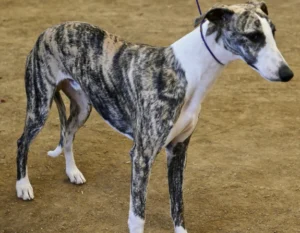
Dark Brindle (Black Brindle)
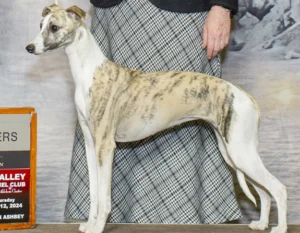
Fawn Brindle Whippet
5. White Whippet Colors
Overview:
White Whippets are striking with their pure white coats. Some may have small markings or spots on their coat, but the overall appearance remains predominantly white.
How It Comes About:
White is often a result of a gene that causes the absence of pigment in the coat. This can happen in a Whippet’s genetic makeup, and sometimes, the white gene can create patches of other colors as well.
Commonality:
White Whippets are not as common as fawn or brindle but still make an appearance in breeding lines. Many times, a white Whippet will have markings of another color like fawn or black.
Image Example:
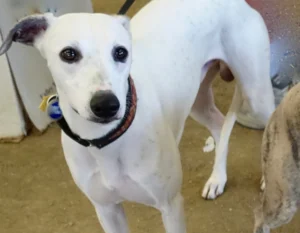
White Adult Whippet

White Puppy with Brindle Markings
6. Red Whippet Colors
Overview:
Red Whippets have a rich, warm coat of deep red or reddish-brown. This color can vary from light red to a darker, mahogany hue.
How It Comes About:
The red coat in Whippets comes from a combination of a dilution of the black gene and a recessive gene for red coloration. This leads to a coat that ranges in hue from soft cinnamon to a deeper, reddish tone.
Commonality:
Red is less common compared to fawn or brindle colors. It’s considered more unusual, often prized by those who love rare shades in their Whippets.
Image Example:
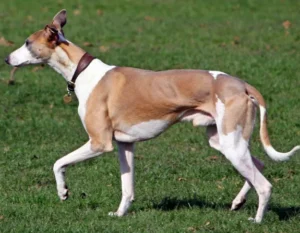
Red Whippet with White
7. Cream Whippet Colors
Overview:
Cream Whippets have a soft, pale, off-white color that resembles the shade of cream or light beige, sometimes have a silvery sheen to them. These dogs have a smooth, elegant appearance with a coat that’s both light and warm.
How It Comes About:
The cream color in Whippets is the result of a dilution gene affecting the base color. This often leads to an ivory or pale beige coat, which is more muted and softer than a white coat.
Commonality:
Cream Whippets are not as common as fawn or brindle, but they still appear occasionally, especially in breeding lines that emphasize softer, lighter colors.
Image Example:
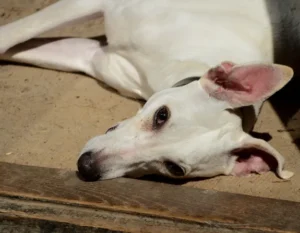
Cream Whippet
Conclusion
Whippet colors are as diverse as the breed itself. From the common fawn and black Whippets to rarer blue and red varieties, the wide range of coat colors adds to the breed’s visual allure. Whether you prefer a solid color like black or a beautiful pattern like brindle, each Whippet color has its unique charm. As you explore the world of Whippets, you’ll appreciate not only their graceful and athletic build but also the stunning variations of coat colors that make each Whippet individual.
Each of these colors, whether they are more common or rare, contributes to the Whippet’s overall appeal. If you’re considering a Whippet, knowing the possible color options can help you find the perfect companion for your home. We offer all colors with the exception of cream. We haven’t had a cream puppy, or full white puppy yet. There is a much longer wait list for a blue puppy, up to two years.
Please contact us if you have any questions or would like to place a deposit.
For a more in depth look at color variation (exceeding 20) check out Dogster or breedatlas